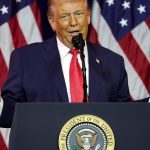

Oil markets could face a major shock as President Donald Trump considers a military strike against Iran, according to a prominent energy sector analyst.
The Islamic Republic has responded to domestic unrest with unprecedented violence, massacring tens of thousands of people since protests began in late December.
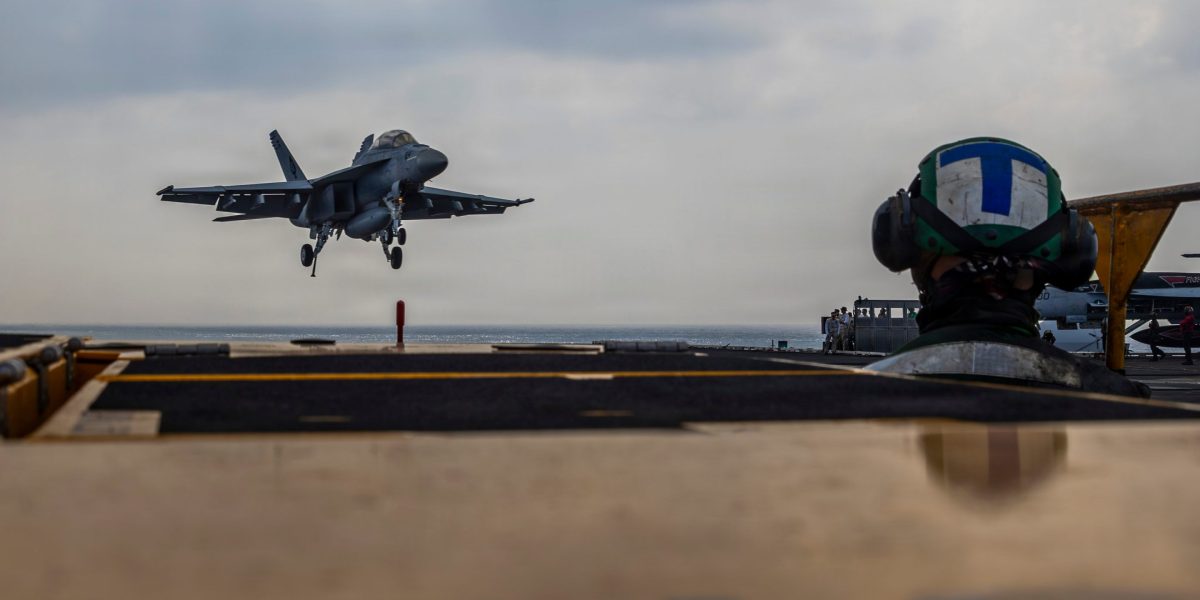
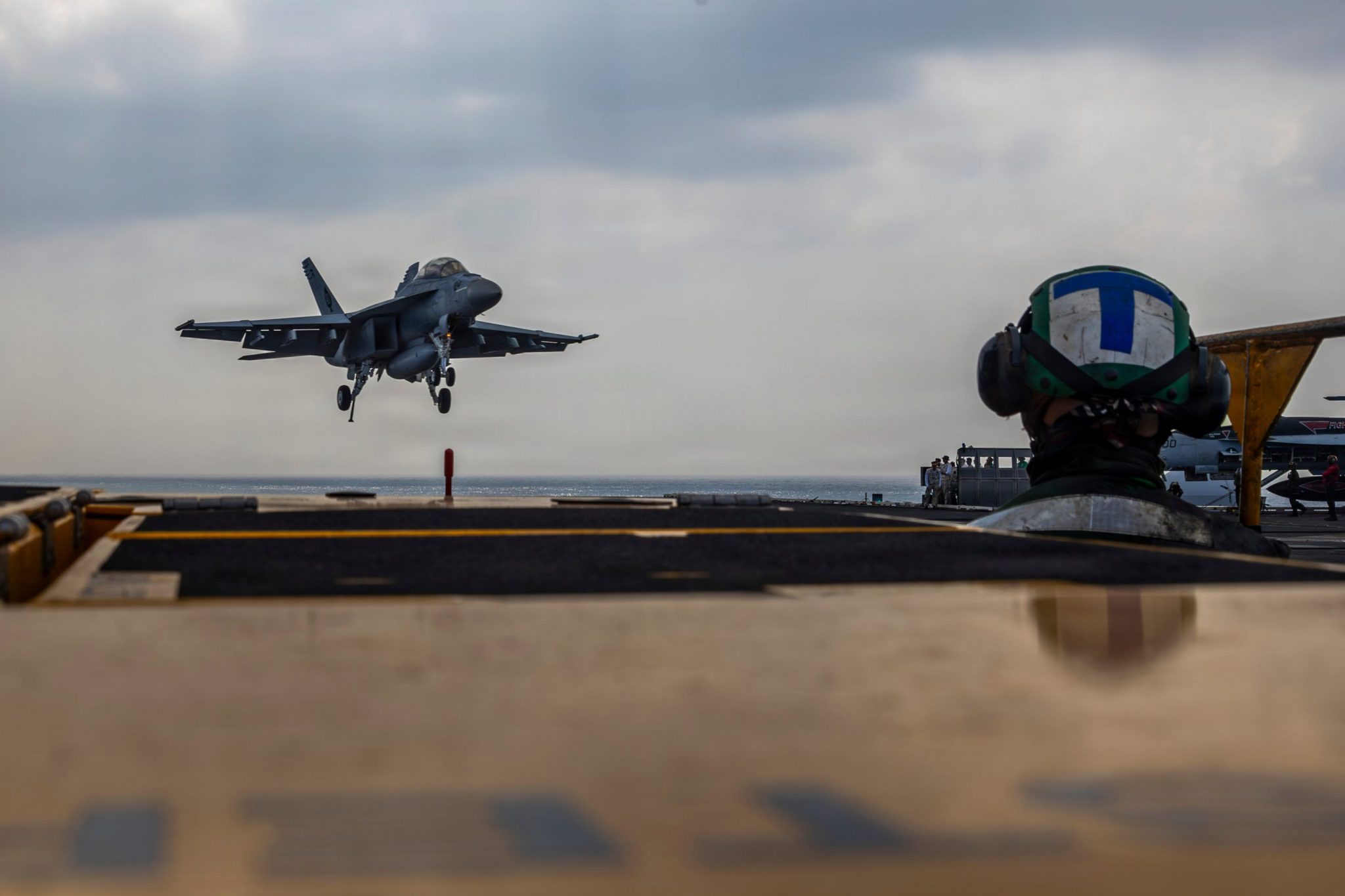
Trump warned the regime not to kill protesters and promised help was on the way. Although it reportedly delayed an attack last month, the recent arrival of a US aircraft carrier in the Middle East has raised hopes of an imminent strike.
“We think there’s a 75 percent chance that there will be some sort of U.S. attack on Iran in the next few days or weeks,” said Bob McNally, founder of Rapidan Energy Group and a former White House energy adviser. told CNBC THURSDAY.
Brent crude oil futures jumped 5% last week and 14% year to date. Prices have now broken from their year-long steady downward trend, punctuated by brief increases that quickly reverse to resume the downward trend, he noted.
The US attack on Iran’s nuclear facilities last year led to only a temporary rise in prices, with the conflict remaining limited in scope and avoiding the country’s oil infrastructure.
Additionally, last month’s US military raid to capture Venezuelan dictator Nicolas Maduro did little to shake things up in oil markets as production was not disrupted.
“But this one is real,” McNally warned. “Markets are assessing the risk that this time, the past is no guide to the future, and that we could experience a lasting disruption in energy flows. »
Iran pumped 4.7 million barrels per day last year, representing 4.4% of global oil supplies. Many of its heavily sanctioned shipments are destined for China via a so-called ghost fleet.
But the biggest risk lies in the possibility of Iran closing the Strait of Hormuz, through which a fifth of all the world’s oil and liquefied natural gas passes to export markets.
Markets assume the U.S. Navy could quickly eliminate any underwater mines or other threats that would prevent tankers from passing through the Strait of Hormuz, but McNally thinks that’s a mistake.
He pointed out that the United States has failed to fully quell the threat from Houthi rebels, who attacked ships in the Persian Gulf before Trump reached a ceasefire agreement.
“The Iranians have much better weaponry and a better coastline to harass this strait, so God forbid it comes to that,” McNally added.
Iran’s supreme leader warned on Sunday that any U.S. attack would trigger a “regional war” in the Middle East, in the most direct threat he has made so far during Trump’s military buildup in the region.
But sources told Axios that the Trump administration told Tehran through back channels that it was open to a meeting to negotiate a deal.
McNally flagged the escalation in rhetoric on Thursday and highlighted the potential for upheaval in the LNG market in the event of an Iranian blockade of the strait.
“If this lasts more than one or two days, the market will be in shock, because we simply cannot imagine a scenario in which the US military does not prevail militarily.” [and] largely within hours or even days,” he predicted. “We just haven’t seen this in history, but it’s entirely possible. In this case, you will see the mother of all auctions on any one-off LNG cargo.