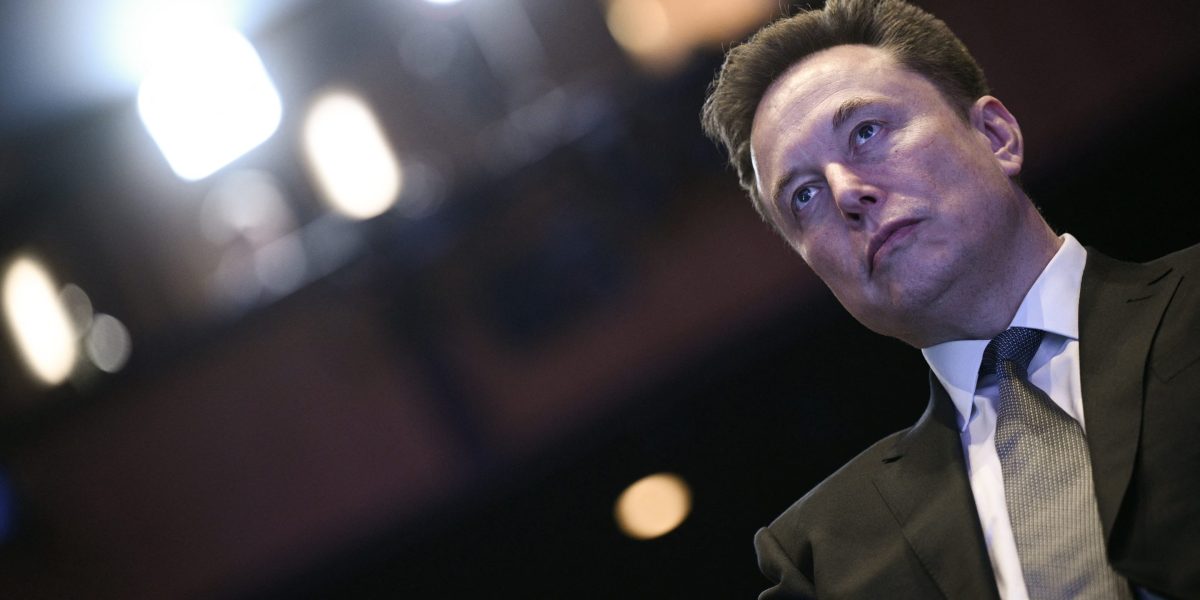

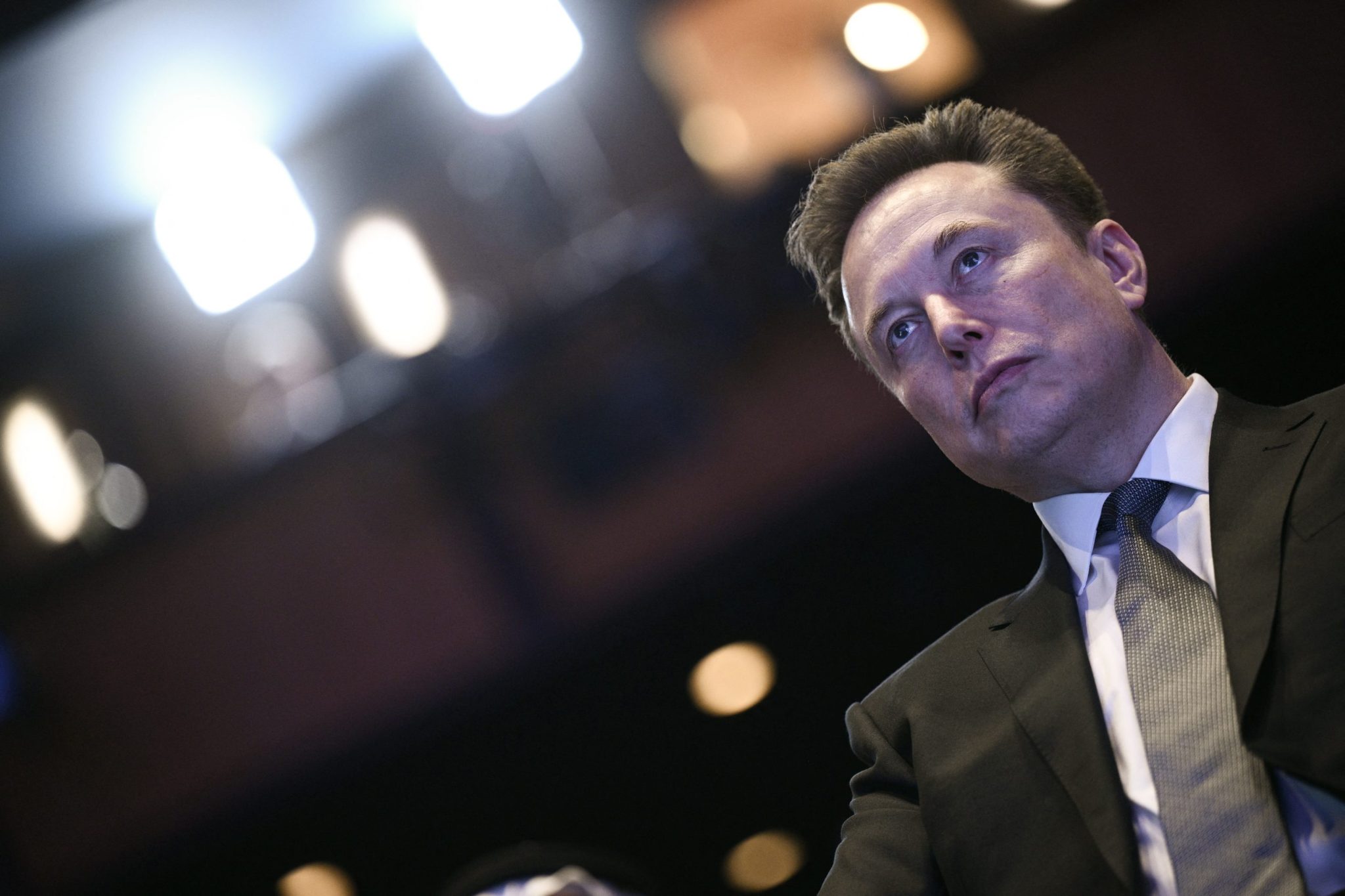
Tesla CEO Elon Musk kicked off the new year with several stunning surprises for shareholders, including a $2 billion investment by Tesla in one of his own companies (artificial intelligence company xAI) and the abrupt elimination of two of the company’s car models, the Model S and Model. X.
The moves, remarkable even in the context of Musk’s unfettered management style, underscore the profound transformation underway at the automaker as it loses ground in the electric vehicle market to Chinese rivals. Instead of the abandoned car models, Musk said Tesla will use the freed-up factory space to build Optimus robots, a still largely experimental line of humanoid robots that Musk says will eventually perform everything from household chores to surgery.
Tesla executives stressed that investing in xAI would allow Tesla to become more efficient because it wouldn’t have to devote similar resources to AI, and Musk said it would ultimately help Tesla manage the huge fleets of autonomous vehicles and Optimus robots.
“We’re pretty much doing what the shareholders have asked us to do,” Musk said Wednesday night on the call, noting that “a lot” of investors had asked to invest in xAI.
Tesla shares rose about 1.8% in after-hours trading Wednesday following the results.
Revenue fell 3% year over year in the fourth quarter, which some analysts cited was due to a slowdown in electric vehicle sales due to the end of federal tax credits. Tesla nevertheless exceeded Wall Street’s targets, recording revenue of $24.9 billion, compared to an estimated $24.8 billion.
Musk emphasized that Tesla had changed its mission from “building a world of incredible abundance,” to “accelerating the global transition to sustainable energy,” and explained that AI’s most likely path was to help all humans achieve a “high universal income” and better medical care. The language used in the call, which included mention of a hypothetical rare earth refinery, which “we desperately need in America,” alluded to his time spent with President Trump over the last year.
Tesla has recently moved away from its roots as an automaker, in favor of autonomous software and robotics. “It is time to end the Model S and X programs with an honorable discharge, because we are truly moving toward a future based on autonomy,” Musk said.
Musk said Tesla operated 500 robo-taxis in Austin and San Francisco, and he said it was providing “randomly selected paid rides” without a safety driver in Austin, although it is not clear at this time how many unsupervised rides took place. For the first time, Tesla shared this quarter how many of its customers were purchasing its Full Self Driving (FSD) software. There were 1.1 million subscriptions in 2025, compared to 800,000 in 2024.
Musk has been making promises about autonomy for more than a decade, even though he is way behind schedule and the company has yet to make much profit in the business. During Wednesday’s earnings call, CFO Vaibhav Taneja said of Tesla’s robo-taxi fleet that because Tesla was still in the “early phase” of rolling out its fleet and still doing a lot of testing and validation, “revenue and cost per mile metrics are not meaningful to discuss at this time.”
Taneja also discussed the investment in xAI, noting that Grok, the chatbot created by xAI, was already in use in Tesla’s fleet. “Today, if you look at Tesla vehicles, we use Grok in there,” he said.
During his appearance at the World Economic Forum in Davos earlier this month, Musk said Tesla plans to start selling Optimus robots by the end of next year. By rearranging space at its Fremont factory, Tesla announced Wednesday that it would be able to build 1 million Optimus robots each year.