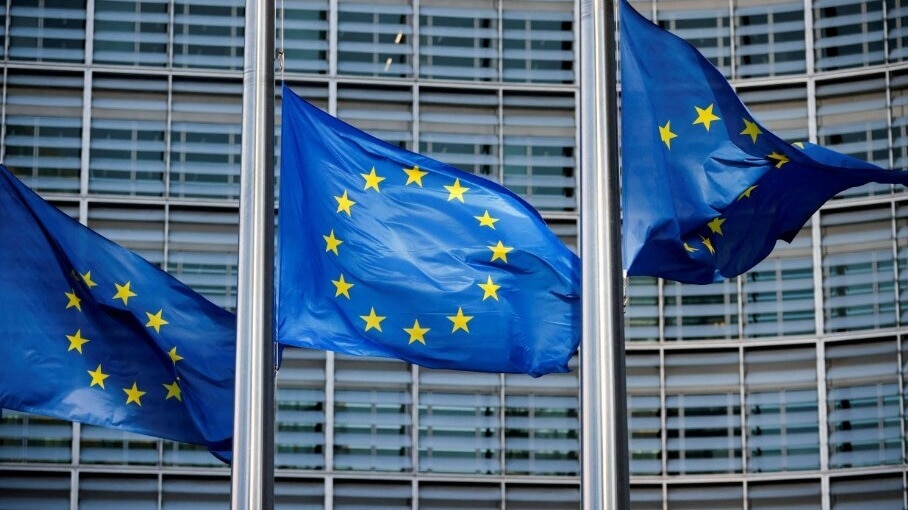

Amid concerns that India’s free trade deal with the EU could intensify competition for Indian car manufacturersMahindra Group Managing Director and CEO Anish Shah clarified that the FTA will not change any competitive dynamics in the industry.
“We see a huge benefit for the automobile sector as it provides duty-free access to European markets and will incentivize European OEMs to invest more in India. This agreement is very well designed as it reduces customs duties within quota only in the most expensive segments, which will increase the scale of key segments relevant to Make in India for the world. We believe this will not change any competitive dynamics in the industry,” Shah said in a statement.
Shah said the FTA would provide significant benefits in many sectors as it strikes a very good balance between market opening and development of manufacturing industry in India.
“This FTA is one of the most comprehensive agreements, covering themes such as AI, innovation, clean technology and mobility, which will drive industrial growth in sectors such as IT services, aerostructures, finance, agriculture and renewable energy,” the Mahindra Group CEO said.
Once the FTA is ratified, European automakers are expected to have easier access to the world’s third-largest auto market, allowing them to introduce more high-end models within a calibrated liberalization framework – an opportunity for European brands, but one that could increase competition for Indian automakers, according to Moody’s Ratings.
European automakers, both luxury and mass-market, said the India-European Union Free Trade Agreement (FTA) would further strengthen cooperation between the two regions. “As a global company, we strongly support free trade agreements across markets and geographies. With the EU being one of India’s largest trading partners, this agreement will further propel the Indian economy, also benefit the EU and be a true win-win for both regions. We believe this agreement will benefit customers in both regions. Greater tariff certainty and a more predictable trade framework will allow us to evaluate the introduction of a wider range of European models for Indian customers,” said Piyush Arora, Managing Director and CEO, Škoda Auto Volkswagen India.
“Over time, this can support deeper technology transfer, capacity building and long-term investments in the Indian automotive ecosystem. As more details emerge, we will be able to assess the medium to long term implications of this deal,” Arora added.
French carmaker Renault said the free trade agreement between the European Union and India clearly points the direction of closer economic and industrial collaboration between Europe and India. “For us, this is very positive news, as Groupe Renault has made long-term and high-value commitments in both regions. This agreement further strengthens our confidence and our willingness to invest on both sides,” said Stéphane Deblaise, Managing Director, Groupe Renault India.
Hardeep Singh Brar, Chairman and Managing Director, BMW Group India, said the FTA reflects India’s growing strategic and economic importance on the global stage. “We have always championed free trade because it improves equitable market access, strengthens economic collaboration, leverages mutual strengths, and builds more resilient supply chains, especially at a time when such cooperation is more critical than ever,” Brar said.
“The proposed gradual reduction in customs duties on cars and auto components has the potential to positively impact consumer confidence, enable greater product choice and drive technological innovation and sustainable growth within the Indian automotive sector, particularly in future mobility,” Brar added.
“At BMW Group India, more than 95 percent of our volumes come from locally manufactured ‘Made in India’ models, with fully imported vehicles accounting for only around 5 percent of our sales. While we do not anticipate immediate price changes in the short term, the FTA could create opportunities to introduce new and niche products and, if demand increases, support deeper localization over time. We will closely evaluate the detailed implementation roadmap, timelines and qualification criteria once the fine print of the deal becomes available,” Brar explained.