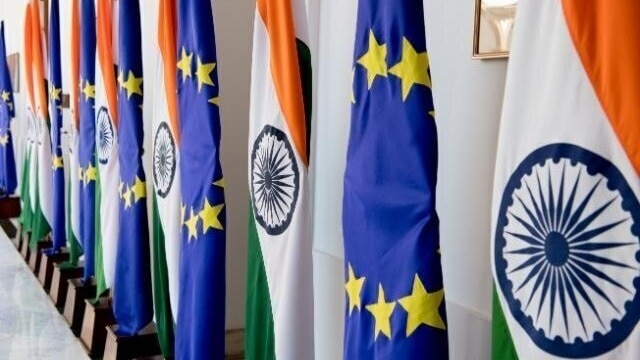

India and the European Union appear set to end a series of long-running negotiations, with both sides expected to unveil a nearly completed free trade deal at the India-EU summit in New Delhi on Tuesday. This initiative comes at a time when trade barriers are increasing globally and both partners are seeking clearer market access and more predictable rules.
1) The first obstacle comes after the handshake
Even if leaders announce the agreement this week, it will not take effect immediately. The deal would still require approval from the European Parliament, a step that could take a year or more and could become politically controversial. Recent moves in Brussels to legally challenge another major trade deal highlight how easily parliamentary processes can slow deadlines or complicate outcomes.
In particular, certain large pieces are currently kept outside the base package. Investment protection and geographical indications are negotiated separately, meaning the main FTA is stricter in scope, focusing on trade in goods and services and the rules that govern them.
2) Why are both sides lobbying now
For New Delhi, the trade deal is part of a broader strategy: building alternative export routes and securing stable partners as protectionism spreads in major economies. If finalized, it would add to a growing list of trade deals that India has struck in recent years.
For the EU, the logic is partly economic and partly strategic. A deal with India supports supply chain diversification, helps reduce overreliance on China, and deepens access to one of the world’s fastest-growing large economies, currently valued at approximately $4.2 trillion.
3) What India could gain and why it matters
Europe already occupies the top spot in India’s trade relations, alongside the United States and China. In 2024/25, total trade in goods and services between India and the 27 EU members exceeded $190 billion. India’s exports to Europe included around $76 billion worth of goods and around $30 billion worth of services.
Even though average EU tariff levels on Indian products are relatively modest, several employment-intensive sectors still face significant tariffs. Textiles and clothing, for example, are taxed at around 10%, according to the Global Trade Research Initiative, a Delhi-based think tank.
A deal could help Indian exporters regain competitiveness after the EU began scaling back benefits from its Generalized System of Preferences in 2023, a change that affected categories such as clothing, pharmaceuticals and machinery. The time has also become more urgent for Indian companies due to new cost pressures created by high US tariffs affecting some products since late August, pushing companies to look more to alternative markets.
India’s demand is not limited to merchandise exports. It also advocates for smoother access for skilled professionals and better export opportunities for information technology and services.
4) What Europe expects from India
From the EU’s perspective, India remains a more difficult market to enter than many other major economies, mainly due to higher import duties. EU merchandise exports to India in 2024/25 were worth around $60.7 billion and were subject to weighted average tariffs of around 9.3%.
European negotiators see the greatest potential in sectors where tariffs are high and demand is growing. This includes automobiles and their components, as well as chemicals and plastics. If tariffs were reduced significantly, EU companies could find greater opportunities in the car, machinery, aircraft and chemicals sectors, as well as better access to services, public procurement and investment routes.
5) Deal-breakers remain sensitive sectors
To keep the negotiations viable, some politically sensitive points were excluded from the agreement entirely, notably agriculture and dairy products.
Another key sticking point is the overall scope of tariff elimination. The EU is seeking almost complete liberalization of all goods, while India has indicated it is prepared to go less far, closer to nine-tenths rather than near total removal.
Beyond the headline-grabbing numbers, certain categories remain politically and economically delicate in India. Automobiles and products such as wine and spirits continue to raise concerns about domestic industry exposure. India has considered gradual reductions, staggered schedules or capping import volumes instead of drastic reductions in tariffs, citing risks to the local manufacturing industry.
6) The biggest competition is about services and rules
This agreement is also a negotiation of rules, and not just a pricing exercise. India is seeking “secure data” recognition under the EU, easier movement for professionals and measures reducing the burden of double social security contributions.
The EU, for its part, is pushing for greater penetration of Indian financial and legal services markets, as well as stronger commitments in areas such as labor, environmental standards and intellectual property. India preferred to retain greater scope for policy flexibility in these chapters.
7) India’s two warning lights: carbon costs and hidden barriers
Even if the tariff lines were reduced, India fears that the net benefit would be diluted by other EU measures. Two issues stand out: the carbon tax at the bloc’s borders and the series of non-tariff barriers that increase compliance costs, including long regulatory deadlines, strict standards and costly certification requirements.
(With inputs from Reuters)