
We may receive a commission on purchases made from links.
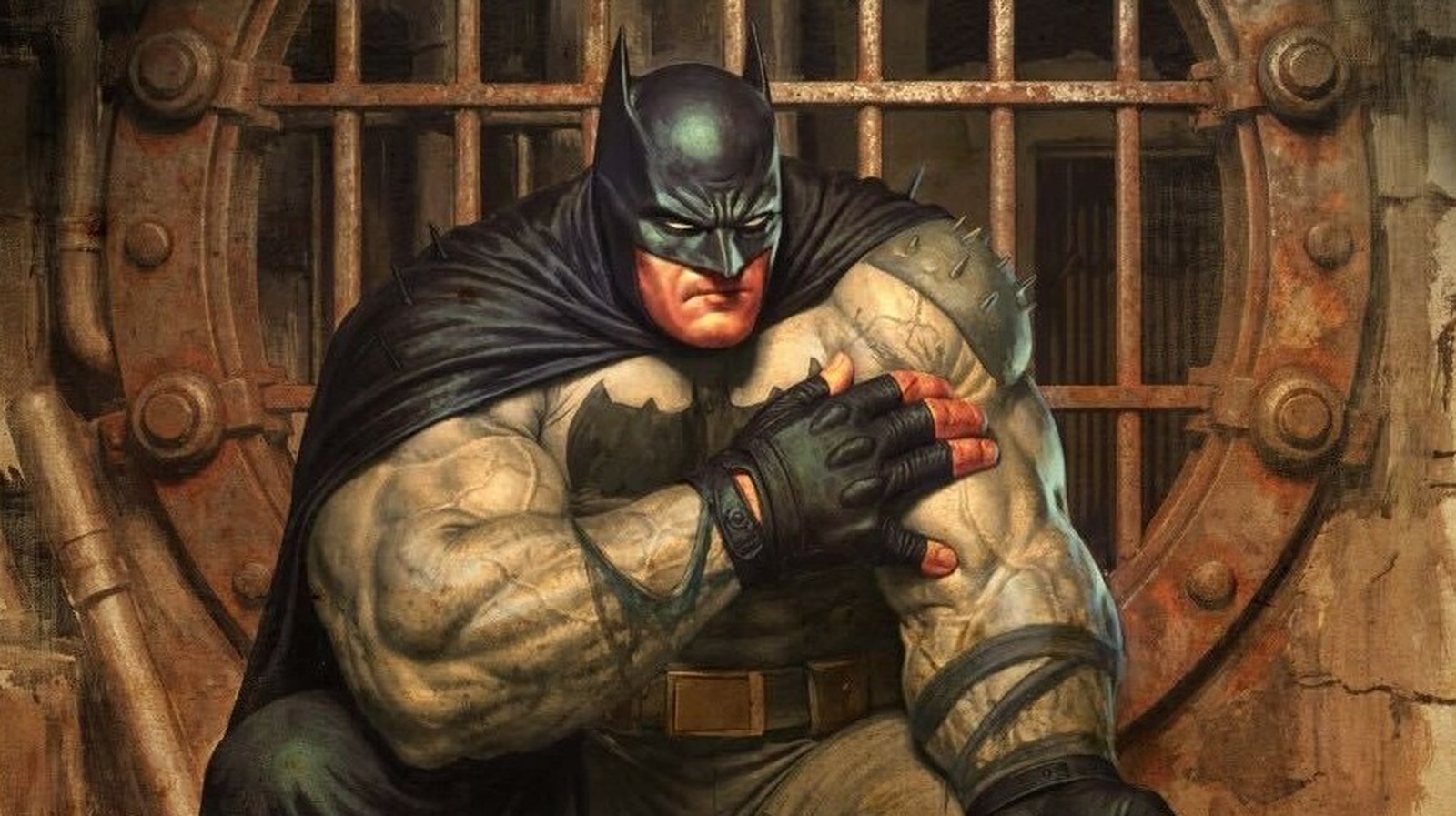
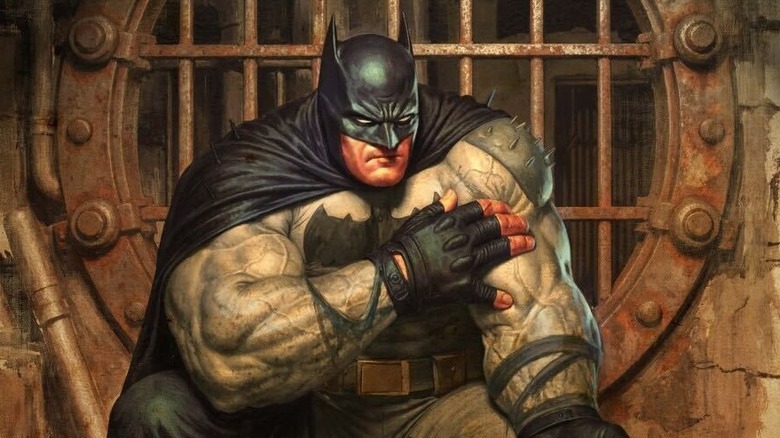
“Absolute Batman” still feels like Batman, but writer Scott Snyder and artist Nick Dragotta have made substantial changes to Bruce Wayne and Gotham City. “Absolute” Bruce is not an old billionaire; he’s a working-class Gothamite with a day job as a construction engineer. In an interview with Screen RantSnyder said that if “Absolute” Batman ever met the classic Batman, he would probably argue with him about his wealth.
“Bruce would say, ‘Man, you can’t change it from the inside. You can’t be a billionaire and use all that stuff.’ This Bruce is more like, ‘You have to come in from the outside and change it by breaking some things,’ whereas I don’t think the other Bruce is like that.”
“Absolute Batman” was a smash hitbut even a great comic like this isn’t immune to criticism. A recurring criticism is that the book does not place enough emphasis on the fact that Bruce is a worker. Batman still never runs out of resources until now. If Bruce spends his days working construction, how does he have energy for the nights as Batman? During the “Abomination” arc, Bruce was held captive by Bane for months. Once on the run, he didn’t seem worried about keeping his job. If this Batman doesn’t have to deal with the problems that working-class people experience, why make one?
The latest “Absolute Batman” #16 puts Bruce’s career in construction back in the spotlight. It opens and ends with Bruce starting his workday at a demolition site; the crew cleans up debris from Batman’s stadium-destroying battle with Bane. The issue even features Lucius Fox as Bruce’s foreman.
Now, “Absolute Batman” still doesn’t have all the answers to the logistics of Bruce holding down a job. But this issue highlights the importance of Bruce’s career choice as an engineer.
Absolute Batman and Wonder Woman embark on a weekend odyssey
To paraphrase “It’s a Wonderful Life”, a poor man can still be rich with friends. “Absolute Batman” explores this trade-off; Because Bruce grew up in the Crime Alley neighborhood, he has a group of childhood friends made up of reimaginings of classic “Batman” villains, like Selina Kyle and Waylon Jones. But in “Abomination”, Bane got his hands on Bruce’s friends, mutilating most of them and transforming Waylon into Killer Croc.
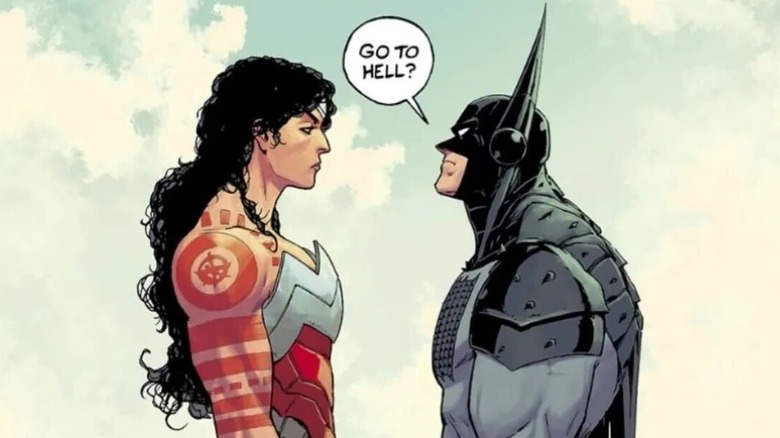
In “Absolute Batman” #16, Bruce summons Diana (whom he met in “Absolute Wonder Woman” #15) because he wants to know if his magic can help Waylon. When Diana tells him that she will have to take a trip to another dimension, Bruce replies: “I have a job.”
But Diana has a simple answer: time flows differently in this other dimension, so they can spend weeks there and be back long before Monday. Another way to write this story would have been with a countdown, where Bruce can only leave for a weekend or he will be fired. I’m not saying that it would have been correct approach, to be clear, but it would have made Bruce’s job a real source of drama – say, like Stan Lee and Steve Ditko (and then much later Sam Raimi) did for Spider-Man’s money problems.
Lucius even acknowledges Bruce’s absence for several months in this issue, but doesn’t seem to mind. His nonchalant attitude makes you wonder if Lucius knows or suspects that Bruce is Batman (which wouldn’t be unprecedented). In defining a “working class Batman,” Scott Snyder seems less interested in writing the tension of Bruce earning rent or not, and more in presenting Batman as the one who must rise up and destroy corrupt systems of power. The book pays dividends there.
Absolute Batman #16 gives Bruce Wayne the goodbye he needed
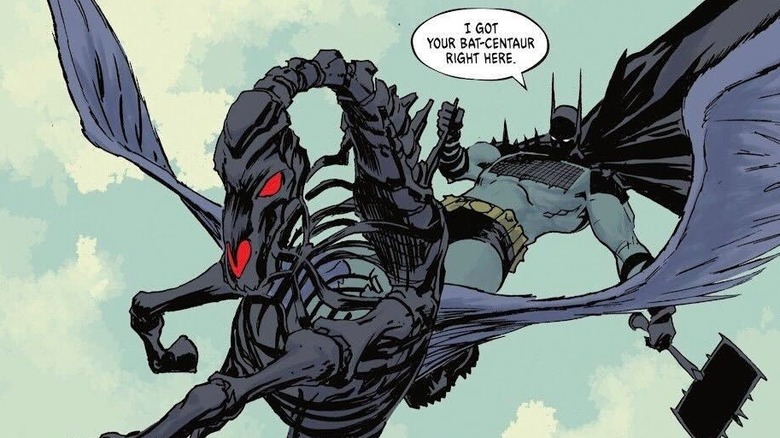
As a crossover with Wonder Woman, this is the most fantastical “Absolute Batman” issue yet – the highlight is Diana and Bruce battling a Centaur. Scott Snyder and Nick Dragotta are so successful at this that you forgive their hesitance to explore Bruce dealing with everyday challenges.
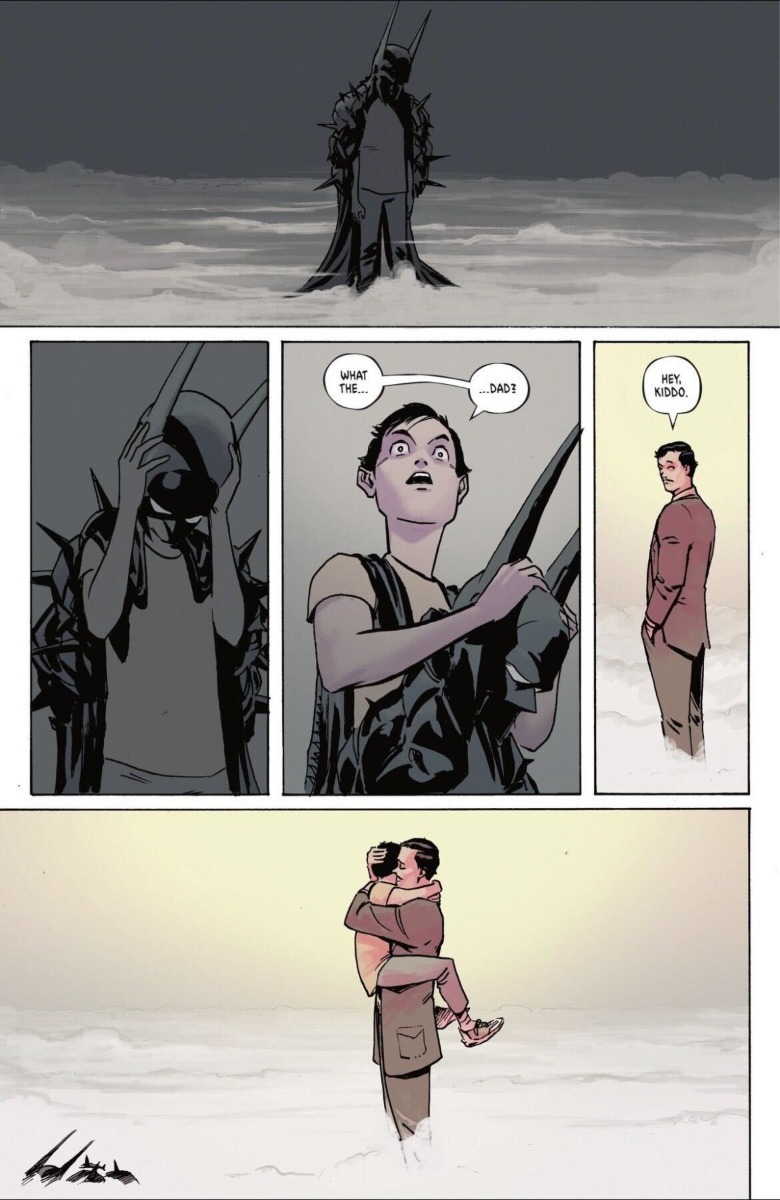
“Absolute Batman” #16 uses fantasy to reach your heart. During their day hike through a barren desert, Bruce tells Diana Batman’s origin – how his father, schoolteacher Thomas Wayne, was murdered in a mass shooting. While Bruce sleeps, Diana places gold coins over his eyes, paying the price for Batman’s journey to the Underworld. Bruce, reduced to the child he was when he last saw his father, reunites with Thomas. (Notice how Dragotta draws young Bruce adorned in the oversized Batman suit; Batman is armor forged to protect a child who never grew up.)
 DC Comics
Bruce once wondered if changing the world through violence honored his father’s memory. Thomas encourages Bruce to continue, but he highlights the work he does every day. “You’re an engineer, Bruce. You know that building isn’t just a ribbon cutting. It’s a commitment to improving the city,” Thomas explains. “So go ahead and build.”
The page pulls back to reveal that the Waynes are standing on a life-size version of a model bridge Bruce designed as a child (a callback to “Absolute Batman” #4 added to this issue by Dragotta). This scene reveals why the issue reintroduced us to Bruce’s engineering work. Bruce Wayne was born to fix Gotham City, and he’s always found a way to do it even during the hours when he can’t be Batman.