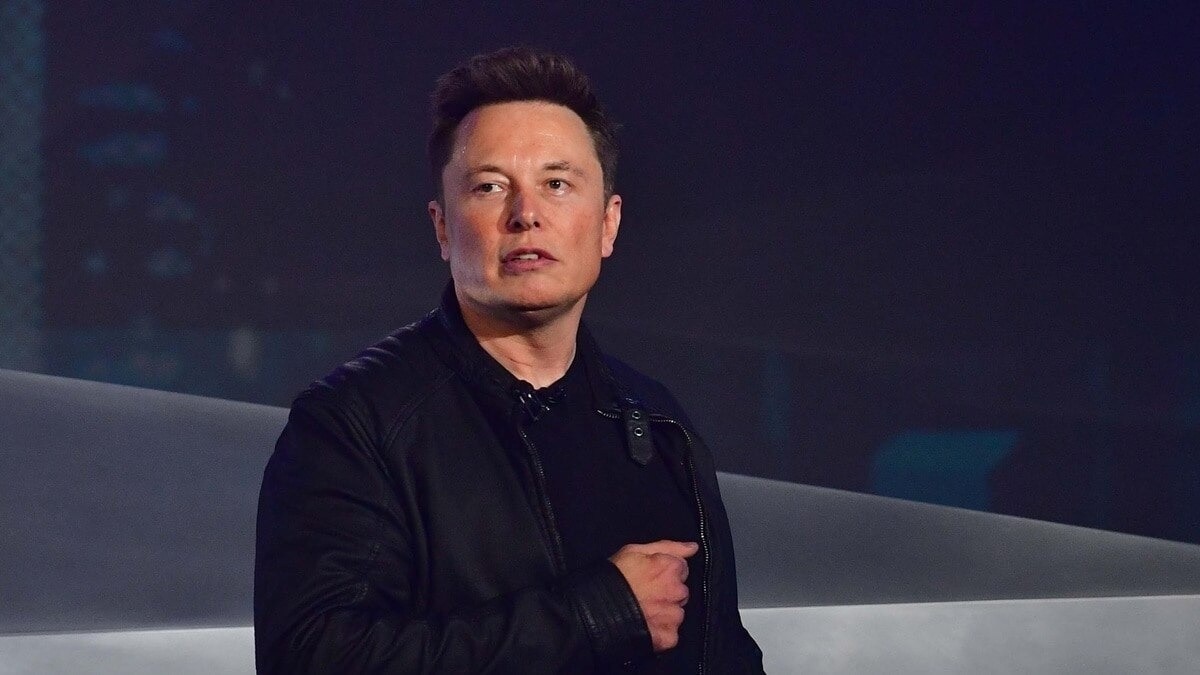

Elon Musk, the world’s richest person, weighed in on changing global economic dynamics, saying the “balance of power is shifting” as emerging economies, primarily China and Indiatake the lead in global growth.
Musk made the remark while sharing data that highlights a dramatic reordering of contributors to global real GDP growth in 2026. According to figures attributed to the International Monetary Fund (IMF), China and India They alone are expected to account for nearly 44% of global economic expansion, underscoring Asia’s growing influence at a time when advanced Western economies contribute a much smaller share.
Topping the list is China, which is expected to contribute 26.6% to global real GDP growth, followed by India with 17%. Together, the two Asian giants account for 43.6% of total global growth, a statistic that clearly illustrates the extent of the shift in economic dynamics eastward.
The United States, long the dominant engine of global growth, is in third place with a contribution of 9.9%, less than a quarter of the combined share of China and India. Germany, Europe’s largest economy, appears at the bottom of the ranking with just 0.9%.
Beyond China and Indiaother emerging and middle-income economies also feature prominently. Indonesia is expected to contribute 3.8% to global growth, Turkey 2.2% and Vietnam 1.6%. Major developing economies such as Brazil and Nigeria each account for around 1.5%, while Saudi Arabia is expected to add 1.7%.
Together, the Asia-Pacific region is expected to generate about half of global economic growth in 2026, reinforcing the idea that the global economy is increasingly shaped by the demographic scale, urbanization and faster growth rates of emerging markets than mature Western economies.
Musk’s brief but pointed comment reflects a growing consensus among economists and policymakers: economic gravity continues its long-term shift away from the transatlantic axis toward Asia and parts of the Global South. While the United States and Europe remain at the heart of global finance, innovation and trade, their relative contribution to incremental growth declines as populations age and growth rates slow.
The data also carries geopolitical implications. Economic growth often translates into greater political influence, greater investment power and strategic leverage. As China and India consolidate their roles as key drivers of global expansion, their voices in international institutions and in global governance debates are likely to become louder.