
For directors with “weird” sensibilitiesconvincing film critics is extremely important. Unfortunately, in 2026, all of this has boiled down to getting your movie a “Certified Fresh” rating on Rotten Tomatoes, which can be incredibly misleading since the website has endorsed far too many critics, many of whom have rigid, mainstream tastes. This also makes it difficult for strange and/or difficult films to break through.
The situation was much different in the 1980s. Almost every major newspaper had more than one film critic on staff, as did news magazines like Time and Newsweek. And even though some of these screenwriters used a star rating system to give people a quick idea of how they felt about a given movie, you still had to read them to know if that movie was something you might dig. (And most the reviews were very good at not spoiling key plot points.)
Yet for small films with tiny marketing budgets and no real movie stars, there was nothing more valuable than getting the green light from Roger Ebert and Gene Siskel. Although I mainly blame Ebert for inspiring Rotten Tomatoeshe and Siskel loved movies and were at their best when championing great films that were in danger of being overlooked. Ebert was particularly good at this when he wrote his reviews for the Chicago Sun-Times. Here he had more space to think about the special qualities of a strange film. And he never did it better than in his four-star review for Bernard Rose’s “Paperhouse,” an exhilarating and bizarre fantasy horror film that defies simple description. His support was essential in convincing me to rent the film in 1989.
Ebert thought Paperhouse was a film you had to “surrender to”
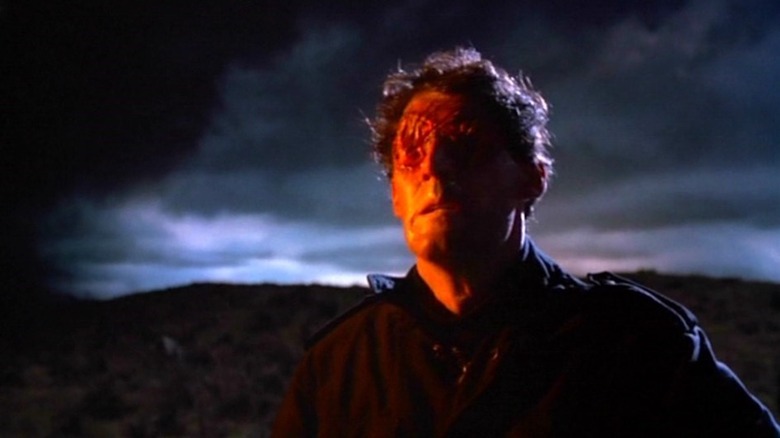
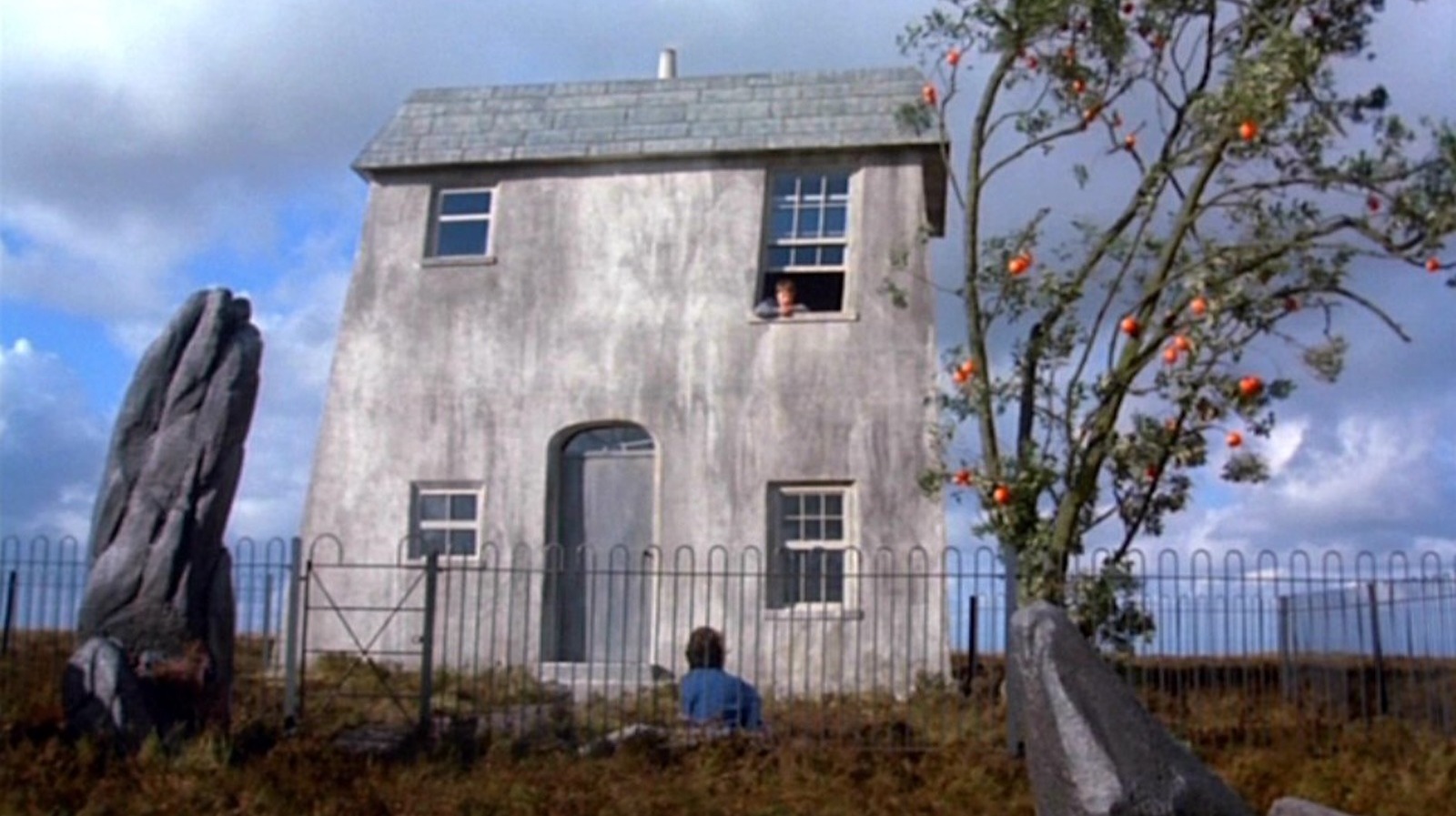
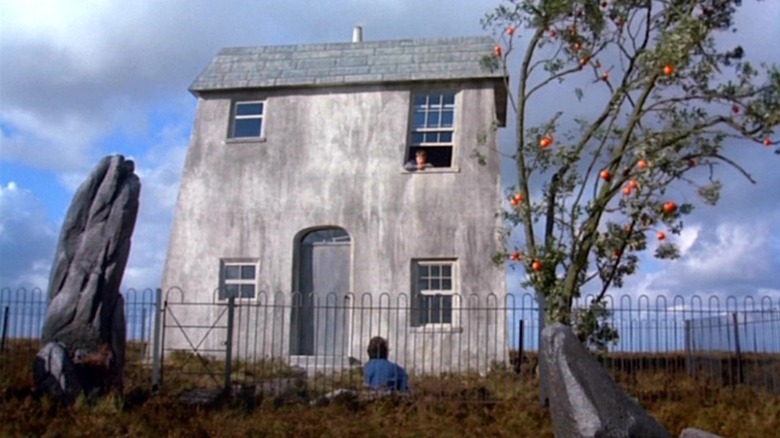
Four years before making the horror classic that launched the “Candyman” franchise, Bernard Rose was a prodigiously gifted music video director (he directed Frankie Goes to Hollywood’s “Relax”) preparing to direct his first real feature film. He couldn’t have chosen a weirder project than “Paperhouse.” Based on Catherine Storr’s children’s novel “Marianne Dreams,” the film centers on Anna Madden (Charlotte Burke), an 11-year-old girl who, troubled by a high fever, begins to dream of things she has drawn while awake. It starts with a house, but things get unsettling when, after drawing a face looking out from a window, she meets Marc (Elliott Spears), who suffers from muscular dystrophy and exists in real life.
“This is not a film to be measured and weighed and probed, but to one that must be surrendered to,” wrote Roger Ebert in his review. I couldn’t agree more. The film plays out like a restless dream that is always on the verge of turning into a full-blown nightmare (and sometimes it does). As Anna and Marc’s bond strengthens, Anna uses her dreams as a way to escape her sad reality, which includes a distant, alcoholic father (Ben Cross). She longs to run away with Marc, but her increasingly serious condition makes this impossible.
Rose’s film is refreshing, unpredictable and always enchanting. You just have to go for it. As Ebert wrote:
“Paperhouse” is by no means a simple children’s film, although its subject matter might seem to point it in that direction. This is a carefully written and meticulously produced fantasy novel in which the actors play their roles very seriously. As I watched it, I was absorbed in the development of the story and found myself accepting the logic of the film on its own terms.
“Paperhouse” is currently streaming on Prime Video.